

Introduction
Laparoscopic surgery is one of the most advanced and widely used surgical techniques in modern medicine. Known for its minimally invasive approach, it allows surgeons to perform complex procedures with smaller incisions, less pain, and faster recovery.
Many patients today search for what is laparoscopic surgery, how it works, and how long it takes to recover. Understanding the process of laparoscopic surgery and recovery expectations can help you make informed decisions about your treatment.
This complete guide explains everything in a clear, professional, and patient-friendly way.
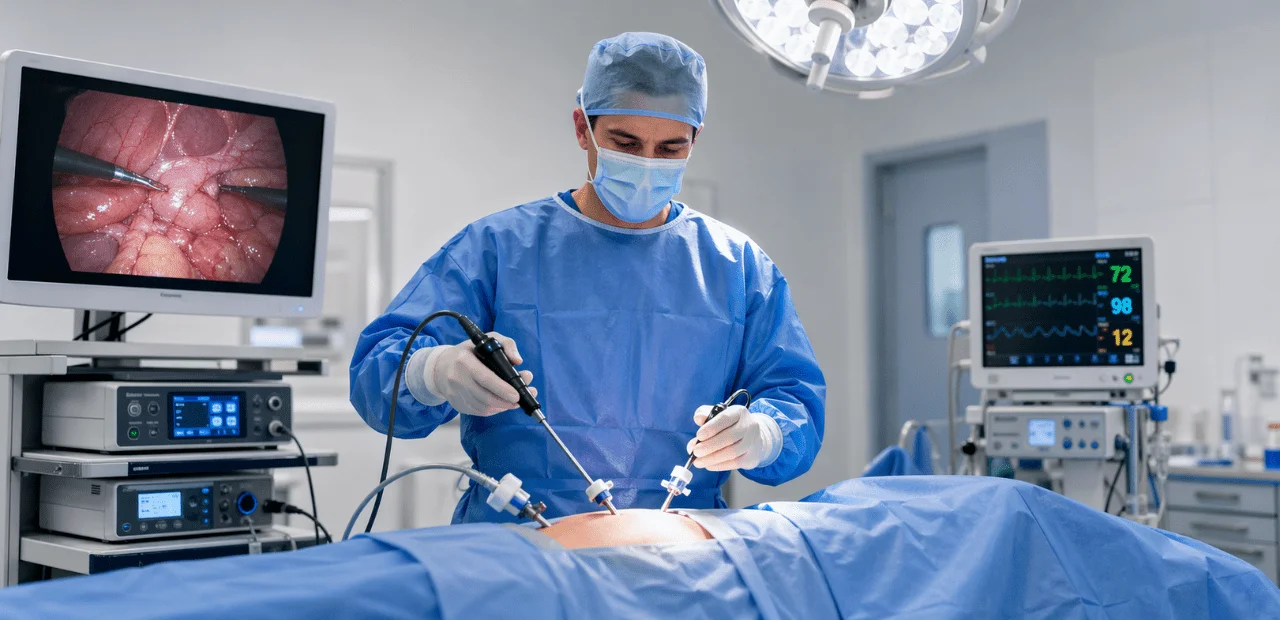
Table of Contents
What is Laparoscopic Surgery?
Laparoscopic surgery, also known as minimally invasive or keyhole surgery, is a procedure in which surgeons operate through small incisions using a special instrument called a laparoscope.
A laparoscope is a thin tube with a camera that allows the surgeon to see inside the body on a monitor.
Key Features:
- Small incisions (usually 0.5–1 cm)
- Use of camera-guided instruments
- Reduced pain and bleeding
- Faster recovery compared to open surgery
👉 This method is commonly used for procedures involving the abdomen, such as gallbladder removal, appendix surgery, and hernia repair.

How Laparoscopic Surgery Works
Understanding how laparoscopic surgery works can reduce anxiety before the procedure.
Step-by-Step Process:
- Small incisions are made in the abdomen
- Carbon dioxide gas is used to inflate the area
- A laparoscope (camera) is inserted
- Surgical instruments are inserted through other small cuts
- The surgeon performs the procedure while viewing a monitor
- Incisions are closed with stitches or surgical glue
👉 This process allows precise surgery with minimal damage to surrounding tissues.
Why is Laparoscopic Surgery Done?
Doctors recommend laparoscopic surgery for many medical conditions because of its safety and effectiveness.
Common Reasons:
- Appendicitis
- Gallstones
- Hernia repair
- Gynecological conditions
- Diagnostic procedures
Benefits:
- Less pain after surgery
- Short hospital stay
- Minimal scarring
- Faster return to normal activities
👉 These advantages make it a preferred choice over traditional open surgery.

Process of Laparoscopic Surgery
The process of laparoscopic surgery involves careful preparation, the procedure itself, and post-operative care.
Before Surgery:
- Medical tests and evaluation
- Fasting for several hours
- Doctor consultation
During Surgery:
- General anesthesia is used
- Procedure typically lasts 30–120 minutes
After Surgery:
- Monitoring in recovery room
- Pain management
- Discharge within 1–2 days (in most cases)

🕒 Laparoscopic Surgery Recovery Time & Tips
Laparoscopic Surgery Recovery Time
One of the biggest advantages is shorter recovery.
General Timeline:
- Hospital stay: 1–2 days
- Light activities: 3–5 days
- Normal routine: 1–2 weeks
- Full recovery: 2–4 weeks
👉 However, recovery may vary depending on the procedure and individual health.
How Long to Recover from Laparoscopic Surgery?
Many patients ask, how long to recover from laparoscopic surgery?
The answer depends on:
- Type of surgery
- Age and health condition
- Post-surgery care
👉 Most patients feel significantly better within a week, but complete healing may take a few weeks.
How Many Days Rest After Laparoscopic Surgery?
Rest is essential for proper healing.
Recommended Rest Period:
- Minimum rest: 3–5 days
- Moderate activity: after 1 week
- Avoid heavy lifting: for at least 2–3 weeks
👉 Following your doctor’s advice is crucial for a smooth recovery.
Healing Time for Laparoscopic Surgery
The healing time for laparoscopic surgery is usually shorter than traditional surgery.
Healing Stages:
- Initial healing: 3–7 days
- Wound healing: 1–2 weeks
- Internal recovery: up to 4 weeks
👉 Proper wound care helps prevent complications and speeds up healing.

Best Way to Recover from Laparoscopic Surgery
To ensure quick and safe recovery, follow these expert tips:
✅ Recovery Tips:
- Take prescribed medications on time
- Keep surgical wounds clean and dry
- Avoid strenuous activities
- Stay hydrated and eat a healthy diet
- Walk lightly to improve circulation
- Attend follow-up appointments
👉 These steps significantly improve recovery outcomes.
Possible Risks & When to See a Doctor
Although laparoscopic surgery is safe, you should watch for warning signs.
⚠️ Contact a Doctor If You Notice:
- Fever
- Severe pain
- Redness or swelling at incision site
- Discharge or bleeding
- Difficulty breathing
👉 Early medical attention prevents complications.

Conclusion
Laparoscopic surgery is a modern, safe, and highly effective surgical technique that offers numerous advantages over traditional methods. From smaller incisions to faster recovery, it has become the preferred choice for many procedures.
Understanding what laparoscopic surgery is, how it works, and its recovery timeline helps patients feel more confident and prepared.
👉 Always consult a qualified surgeon to determine the best treatment plan for your condition.
❓ FAQs
1. What is laparoscopic surgery used for?
It is used for treating conditions like appendicitis, gallstones, hernia, and other abdominal issues.
2. How long does laparoscopic surgery take?
Most procedures take between 30 minutes to 2 hours depending on complexity.
3. How long is recovery after laparoscopic surgery?
Recovery usually takes 1–2 weeks for normal activity and up to 4 weeks for full healing.
4. Is laparoscopic surgery painful?
It is less painful than open surgery due to smaller incisions.
5. What is the best way to recover from laparoscopic surgery?
Follow doctor’s advice, rest properly, maintain hygiene, and avoid heavy activity.
Related Articles
- Laparoscopic Surgery vs Other Types, Scars & Complications – Complete Guide
- Gas After Laparoscopic Surgery: Causes and How to Get Relief
- Benefits and Risks of Laparoscopic Surgery
Related articles
- Types of Laparoscopic Surgeries – Procedures, Recovery & Benefits
- Risks & Complications of Laparoscopic Surgery – Safety Guide
- Laparoscopic Surgery Explained – Process, Procedure & Recovery Time
- Laparoscopic Surgery Guide – Recovery, Cost, Safety & Comparison
- Laparoscopic Surgery Recovery Time: Complete Guide
Other conditions we treat
- Acute Appendicitis: Symptoms, Warning Signs & Treatment in Lahore
- Breast Lumps and Breast Cancer: What Every Woman Should Know
- Gallstones: The Complete Patient Guide to Symptoms, Causes, and Treatment
- Gastric (Stomach) Cancer: How It Is Treated — and Why Early Diagnosis Changes Everything
- What Is Complex Surgery? Complete Guide
- Hernia: The Complete Patient Guide to Symptoms, Types, Causes, and Treatment
- Parotid Tumours: Symptoms, Causes & Treatment in Lahore
- Treatment of Haemorrhoids (Piles) in Pakistan: A Surgeon’s Honest Guide
- Thyroid Diseases: Symptoms, Goitre, Lumps & Treatment in Lahore
- Varicose Veins: Causes, Symptoms & When to See a Vascular Surgeon in Pakistan