

Introduction
Laparoscopic surgery has transformed modern healthcare by offering a minimally invasive alternative to traditional surgical methods. Patients today often compare laparoscopic surgery vs robotic surgery, laparoscopic vs open surgery, and even arthroscopic vs laparoscopic surgery before choosing the right option.
Along with comparison, many people are also concerned about laparoscopic surgery scars, wound healing, and possible complications like infections.
In this guide, we’ll cover everything you need to know in a simple and user-friendly way.
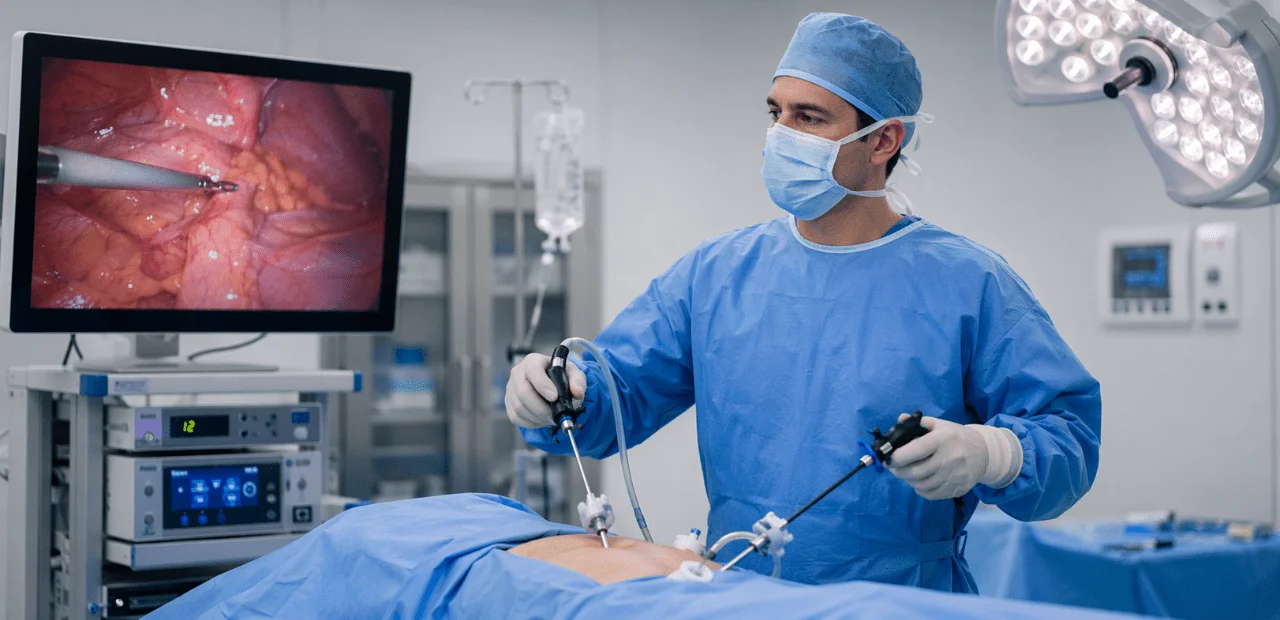
Table of Contents
What is Laparoscopic Surgery?
Laparoscopic surgery, also known as keyhole surgery, is a minimally invasive procedure performed using small incisions and a camera (laparoscope).
Key Features:
- Small incisions instead of large cuts
- Faster recovery
- Less pain
- Minimal scarring

Laparoscopic vs Robotic Surgery
One of the most common comparisons is robotic surgery vs laparoscopic surgery.
🔹 Differences:
| Feature | Laparoscopic Surgery | Robotic Surgery |
|---|---|---|
| Technology | Manual instruments | Robot-assisted |
| Precision | High | Very high |
| Cost | More affordable | Expensive |
| Surgeon Control | Direct | Indirect (via console) |
👉 Conclusion:
Robotic surgery offers more precision, but laparoscopic surgery is widely used due to its affordability and effectiveness.

Laparoscopic vs Open Surgery
When comparing laparoscopic vs open surgery, the difference is clear.
🔹 Key Differences:
- Open surgery requires large incisions
- Laparoscopic surgery uses small cuts
- Recovery is faster in laparoscopic surgery
👉 Most modern procedures prefer laparoscopic techniques due to lower risk and quicker healing.

Arthroscopic vs Laparoscopic Surgery
Many people confuse arthroscopic vs laparoscopic surgery, but they are used for different purposes.
🔹 Differences:
- Arthroscopic surgery is used for joints (knee, shoulder)
- Laparoscopic surgery is used for abdominal organs
👉 Both are minimally invasive but applied in different medical areas.
Laparoscopic Surgery Scars & Wounds
One major advantage of laparoscopic surgery is minimal scarring.
🔹 What to Expect:
- Small scars (usually 0.5–1 cm)
- Faster healing compared to open surgery
- Less visible marks
🔹 Wound Care Tips:
- Keep incisions clean and dry
- Avoid touching or scratching
- Follow doctor’s instructions
👉 Proper care ensures quick healing of laparoscopic surgery wounds.

Complications & Infection Risks
Although laparoscopic surgery is safe, some complications may occur.
🔹 Common Risks:
- Bleeding
- Infection
- Mild pain
🔹 Infected Incisions (Important):
Infected incisions laparoscopic surgery can happen if wounds are not properly cared for.

Symptoms of Infection After Laparoscopic Surgery
Watch out for these warning signs:
- Redness around incision
- Swelling
- Pus or discharge
- Fever
- Increasing pain
👉 If you notice these symptoms, contact your doctor immediately.
How to Prevent Complications
🔹 Simple Prevention Tips:
- Keep wounds clean
- Take prescribed medications
- Avoid heavy activity
- Attend follow-up visits
👉 These steps reduce the risk of complications and ensure smooth recovery.
Conclusion
Laparoscopic surgery is a modern, safe, and effective alternative to traditional surgical methods. When comparing laparoscopic vs robotic surgery or laparoscopic vs open surgery, it offers a balance of affordability, safety, and faster recovery.
While laparoscopic surgery scars are minimal, proper care is essential to avoid complications like infection.
👉 Always consult a qualified surgeon to choose the best surgical option for your condition.
❓ FAQs
1. What is the difference between robotic surgery and laparoscopic surgery?
Robotic surgery uses advanced robotic systems, while laparoscopic surgery is performed manually using small instruments.
2. Does laparoscopic surgery leave scars?
Yes, but the scars are very small and usually fade over time.
3. Is laparoscopic surgery safer than open surgery?
Yes, it is generally safer with faster recovery and fewer complications.
4. What are the signs of infection after laparoscopic surgery?
Redness, swelling, pain, fever, and discharge are common infection symptoms.
5. How long do laparoscopic surgery wounds take to heal?
Most wounds heal within 1–2 weeks with proper care.
Related Articles
- Gas After Laparoscopic Surgery: Causes and How to Get Relief
- Benefits and Risks of Laparoscopic Surgery
- Laparoscopic Appendectomy Surgery – Procedure, Benefits & Recovery
Related articles
- What is Laparoscopic Surgery? Complete Guide + Recovery Time & Tips
- Types of Laparoscopic Surgeries – Procedures, Recovery & Benefits
- Risks & Complications of Laparoscopic Surgery – Safety Guide
- Laparoscopic Surgery Explained – Process, Procedure & Recovery Time
- Laparoscopic Surgery Guide – Recovery, Cost, Safety & Comparison
Other conditions we treat
- Acute Appendicitis: Symptoms, Warning Signs & Treatment in Lahore
- Breast Lumps and Breast Cancer: What Every Woman Should Know
- Gallstones: The Complete Patient Guide to Symptoms, Causes, and Treatment
- Gastric (Stomach) Cancer: How It Is Treated — and Why Early Diagnosis Changes Everything
- What Is Complex Surgery? Complete Guide
- Hernia: The Complete Patient Guide to Symptoms, Types, Causes, and Treatment
- Parotid Tumours: Symptoms, Causes & Treatment in Lahore
- Treatment of Haemorrhoids (Piles) in Pakistan: A Surgeon’s Honest Guide
- Thyroid Diseases: Symptoms, Goitre, Lumps & Treatment in Lahore
- Varicose Veins: Causes, Symptoms & When to See a Vascular Surgeon in Pakistan