
Introduction:
Varicose veins are enlarged, twisted veins that commonly appear on the legs and feet. They develop when vein valves become weak or damaged, causing blood to pool inside the veins. While many people consider them a cosmetic concern, untreated varicose veins can lead to pain, swelling, skin discoloration, and other complications.
Fortunately, modern varicose veins surgery and minimally invasive treatment options can effectively remove or close damaged veins, improve circulation, and relieve symptoms. Patients across Pakistan frequently search for information about varicose vein surgery, treatment costs, recovery time, and available procedures before choosing treatment.
This guide explains everything you need to know about varicose veins surgery in Pakistan, including procedures, costs, risks, recovery, and treatment options.
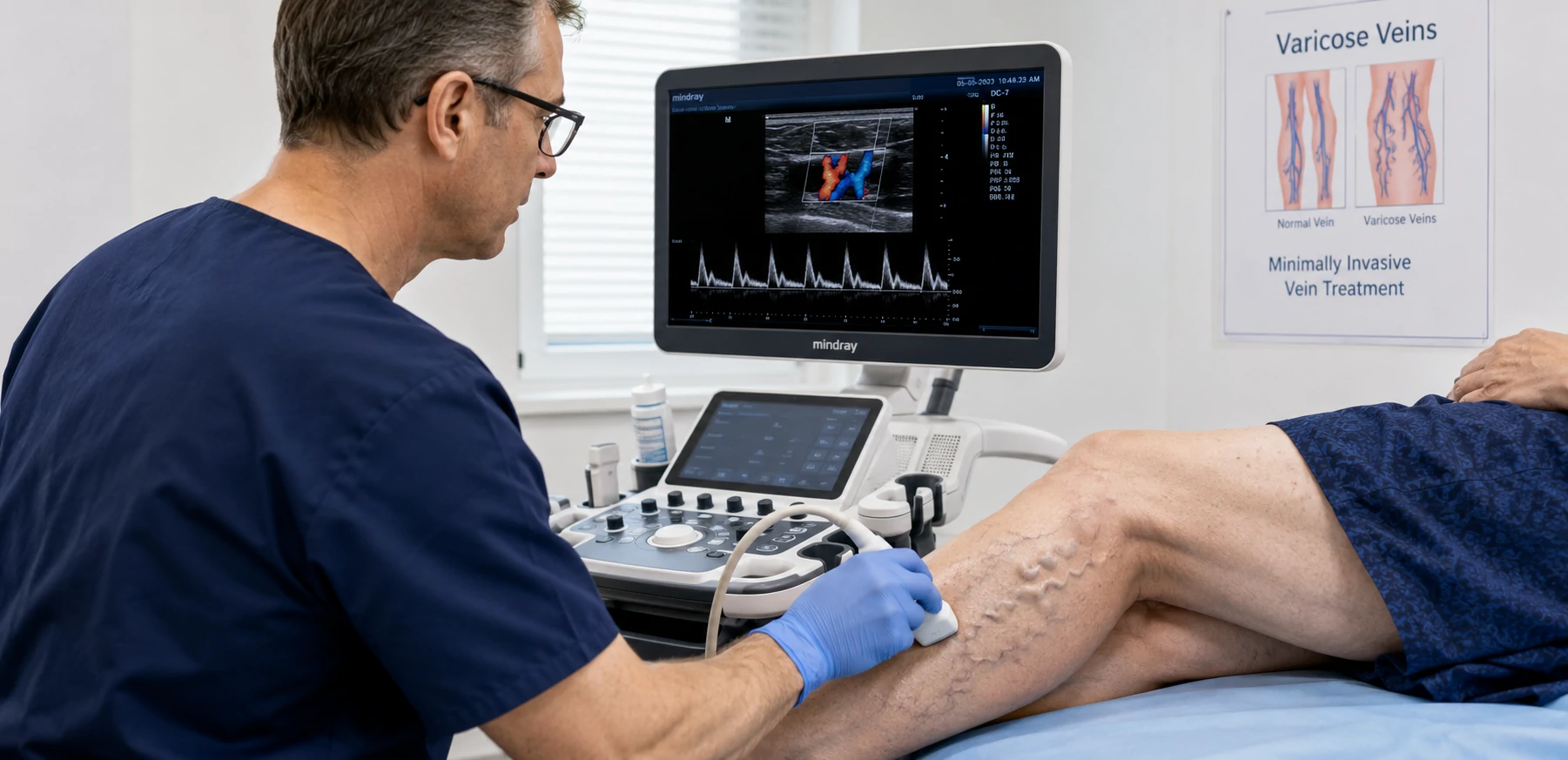
Table of Contents
What Are Varicose Veins?
Varicose veins occur when vein valves fail to function properly. Instead of flowing efficiently toward the heart, blood collects inside the veins, causing them to enlarge and become visible beneath the skin.
Common Symptoms
- Bulging blue or purple veins
- Leg pain or aching
- Heaviness in the legs
- Swelling around ankles
- Muscle cramps
- Burning sensation
- Skin discoloration
- Itching around affected veins
Without treatment, symptoms may gradually worsen over time.
When Is Varicose Vein Surgery Needed?
Not every patient requires surgery. However, treatment may be recommended when symptoms interfere with daily life or complications develop.
Surgery May Be Recommended For:
- Persistent leg pain
- Severe swelling
- Skin ulcers
- Recurrent inflammation
- Bleeding veins
- Cosmetic concerns
- Failure of conservative treatment
A vascular specialist can determine the most appropriate treatment approach.
What Happens in Varicose Vein Surgery?
Many patients ask, what happens in varicose vein surgery?
The procedure aims to remove or close damaged veins while redirecting blood flow through healthy veins.
Depending on the severity of the condition, treatment may involve:
- Laser therapy
- Radiofrequency ablation
- Sclerotherapy
- Vein stripping
- Phlebectomy
Most modern procedures are minimally invasive and performed on an outpatient basis.
Types of Varicose Veins Surgery
1. Laser Varicose Vein Surgery
Laser treatment is one of the most popular options today.
A thin catheter is inserted into the affected vein, and laser energy is used to seal the vein shut.
Benefits:
- Minimally invasive
- Small incisions
- Faster recovery
- Minimal scarring
- Modern minimally invasive treatment
2. Radiofrequency Ablation (RFA)
This procedure uses heat generated by radiofrequency energy to close diseased veins.
Patients often experience less discomfort and a quick return to daily activities.
3. Sclerotherapy
A special solution is injected into small varicose or spider veins, causing them to collapse and disappear over time.
4. Vein Stripping Surgery
Traditional vein stripping involves surgically removing the damaged vein.
Although still effective, it is less commonly used because minimally invasive techniques are now available.
5. Ambulatory Phlebectomy
Small surface veins are removed through tiny skin punctures.
The procedure usually requires little downtime.
Laser Varicose Vein Surgery
Modern laser treatment has become a preferred option for many patients.
Advantages
- Less pain
- Faster healing
- Minimal bleeding
- Reduced scarring
- Outpatient procedure
Most patients can return home on the same day.

Varicose Veins Treatment in Pakistan
Several advanced treatment options are available throughout Pakistan.
Major cities such as Lahore, Karachi, and Islamabad offer modern vascular surgery facilities and minimally invasive procedures.
Treatment selection depends on:
- Severity of disease
- Vein size
- Symptoms
- Patient health condition
- Specialist recommendation
Varicose Veins Surgery in Lahore
Patients seeking varicose veins surgery Lahore can access advanced vascular treatment centers offering:
- Laser vein treatment
- Sclerotherapy
- Vein ablation procedures
- Surgical vein removal
Consulting a qualified vascular surgeon is important for proper diagnosis and treatment planning.
Varicose Veins Surgery in Karachi
Karachi offers multiple hospitals and vascular specialists providing modern treatment options for varicose veins.
Many centers now perform minimally invasive procedures with shorter recovery times.
Varicose Veins Surgery in Islamabad
Patients in Islamabad can also access advanced vascular care and laser treatment facilities for varicose veins.
Early treatment often leads to better long-term outcomes.
Choosing a Varicose Vein Specialist in Pakistan
Selecting an experienced specialist is one of the most important decisions.
Look For:
- Board-certified vascular surgeon
- Experience with minimally invasive procedures
- Modern treatment facilities
- Positive patient outcomes
- Comprehensive follow-up care
A qualified vascular surgeon Pakistan can help determine the best treatment option for your condition.

Varicose Veins Surgery Cost in Pakistan
One of the most common questions is:
How Much Does Varicose Vein Surgery Cost?
The cost varies depending on:
- Treatment method
- Number of veins treated
- Hospital facilities
- City location
- Surgeon’s experience
Laser procedures typically cost differently from traditional surgical techniques.
A consultation with a vascular specialist is necessary for an accurate estimate.
Is Varicose Vein Surgery Painful?
Most modern treatments involve minimal discomfort.
Patients may experience:
- Mild soreness
- Bruising
- Temporary swelling
Pain is generally manageable and significantly less than many traditional surgical procedures.
Varicose Vein Surgery Recovery
Recovery depends on the procedure performed.
Most patients recover quickly following minimally invasive treatments.
Recovery Tips
- Wear compression stockings
- Walk regularly
- Avoid prolonged sitting
- Follow medical instructions
- Attend follow-up appointments
These measures help improve healing and reduce complications.

Varicose Vein Surgery Recovery Time
Typical Recovery Timeline
First 24–48 Hours
- Mild discomfort
- Minor bruising
- Compression stockings recommended
First Week
- Walking encouraged
- Swelling gradually improves
Weeks 2–4
- Most patients resume normal activities
One Month and Beyond
- Continued improvement in appearance and symptoms
Recovery varies depending on individual health and treatment type.
Varicose Vein Surgery Risks
Although generally safe, every procedure carries some risk.
Potential Risks Include
- Bruising
- Swelling
- Infection
- Blood clots
- Nerve irritation
- Recurrence of varicose veins
Serious complications are uncommon when treatment is performed by experienced specialists.
Varicose Vein Surgery Complications
Complications are relatively rare but may include:
- Persistent pain
- Vein inflammation
- Skin discoloration
- Deep vein thrombosis
- Delayed healing
Prompt medical attention helps reduce the risk of serious issues.
Before and After Varicose Vein Surgery
Many patients experience significant improvement following treatment.
Benefits May Include:
- Reduced pain
- Improved circulation
- Better appearance
- Increased mobility
- Enhanced quality of life
Results vary based on the severity of the condition and treatment method used.
Conclusion
Modern varicose veins surgery offers safe and effective solutions for patients suffering from painful or unsightly veins. Whether through laser treatment, sclerotherapy, radiofrequency ablation, or surgical removal, most patients achieve excellent results with minimal downtime.
Consulting an experienced vascular surgeon in Pakistan can help determine the best treatment option based on your symptoms, health condition, and treatment goals.
FAQs
1. What is varicose veins surgery?
Varicose veins surgery is a procedure used to remove or close damaged veins and improve blood circulation.
2. Is varicose vein surgery painful?
Most modern treatments cause only mild discomfort and have relatively quick recovery periods.
3. How long is recovery after varicose vein surgery?
Many patients return to normal activities within a few days to a few weeks depending on the procedure.
4. What is the cost of varicose vein surgery in Pakistan?
The cost varies based on the treatment method, hospital, city, and surgeon’s experience.
5. What is the best treatment for varicose veins?
Laser treatment, radiofrequency ablation, sclerotherapy, and surgery are among the most effective options depending on the severity of the condition.
Related Articles
- Laser vs Surgery for Varicose Veins: Which Treatment Is Better in Pakistan?
- Varicose Veins Treatment Without Surgery in Pakistan
- Varicose Vein Surgery Recovery: Complete Recovery Timeline in Pakistan
Related articles
- Varicose Veins: Causes, Symptoms & When to See a Vascular Surgeon in Pakistan
- Laser vs Surgery for Varicose Veins: Which Treatment Is Better in Pakistan?
- Varicose Veins Treatment Without Surgery in Pakistan
- Varicose Vein Surgery Recovery: Complete Recovery Timeline in Pakistan
Other conditions we treat
- Acute Appendicitis: Symptoms, Warning Signs & Treatment in Lahore
- Breast Lumps and Breast Cancer: What Every Woman Should Know
- Gallstones: The Complete Patient Guide to Symptoms, Causes, and Treatment
- Gastric (Stomach) Cancer: How It Is Treated — and Why Early Diagnosis Changes Everything
- What Is Complex Surgery? Complete Guide
- Hernia: The Complete Patient Guide to Symptoms, Types, Causes, and Treatment
- What is Laparoscopic Surgery? Complete Guide + Recovery Time & Tips
- Parotid Tumours: Symptoms, Causes & Treatment in Lahore
- Treatment of Haemorrhoids (Piles) in Pakistan: A Surgeon’s Honest Guide
- Thyroid Diseases: Symptoms, Goitre, Lumps & Treatment in Lahore