
Looking for laparoscopic surgery in Lahore, Pakistan? Learn how minimally invasive surgery works, its benefits, recovery, and when to consult a specialist.
Laparoscopic surgery is a modern surgical method used to treat many abdominal and pelvic conditions with minimal cuts. In Lahore and across Pakistan, patients often choose laparoscopic surgery because it usually means less pain, quicker recovery, and smaller scars.
If your doctor has recommended surgery and you want an option that supports faster healing and a shorter hospital stay, laparoscopic surgery may be worth discussing with a qualified specialist.
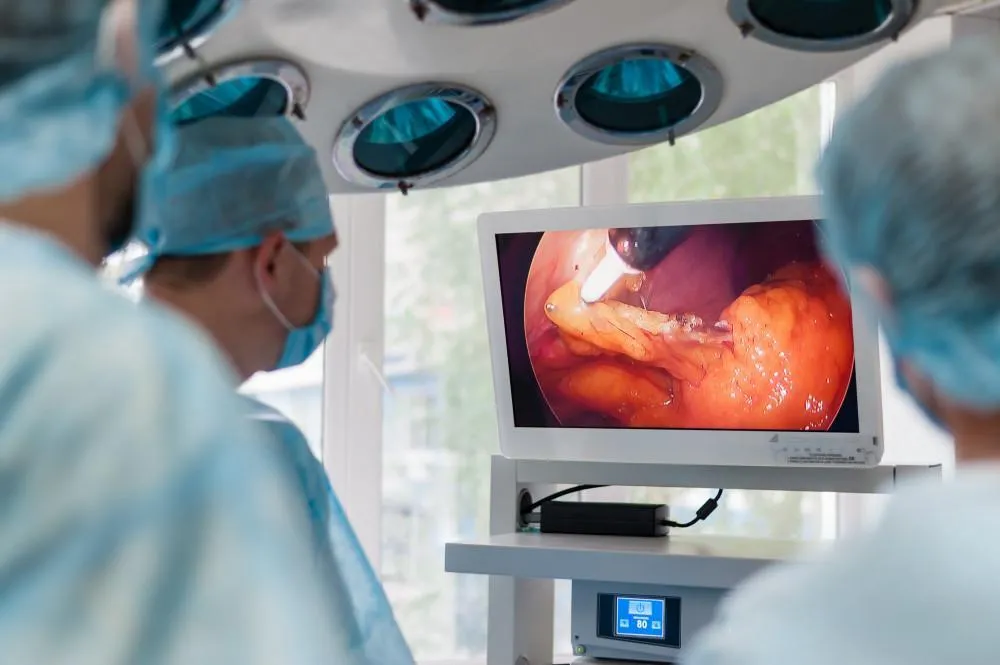
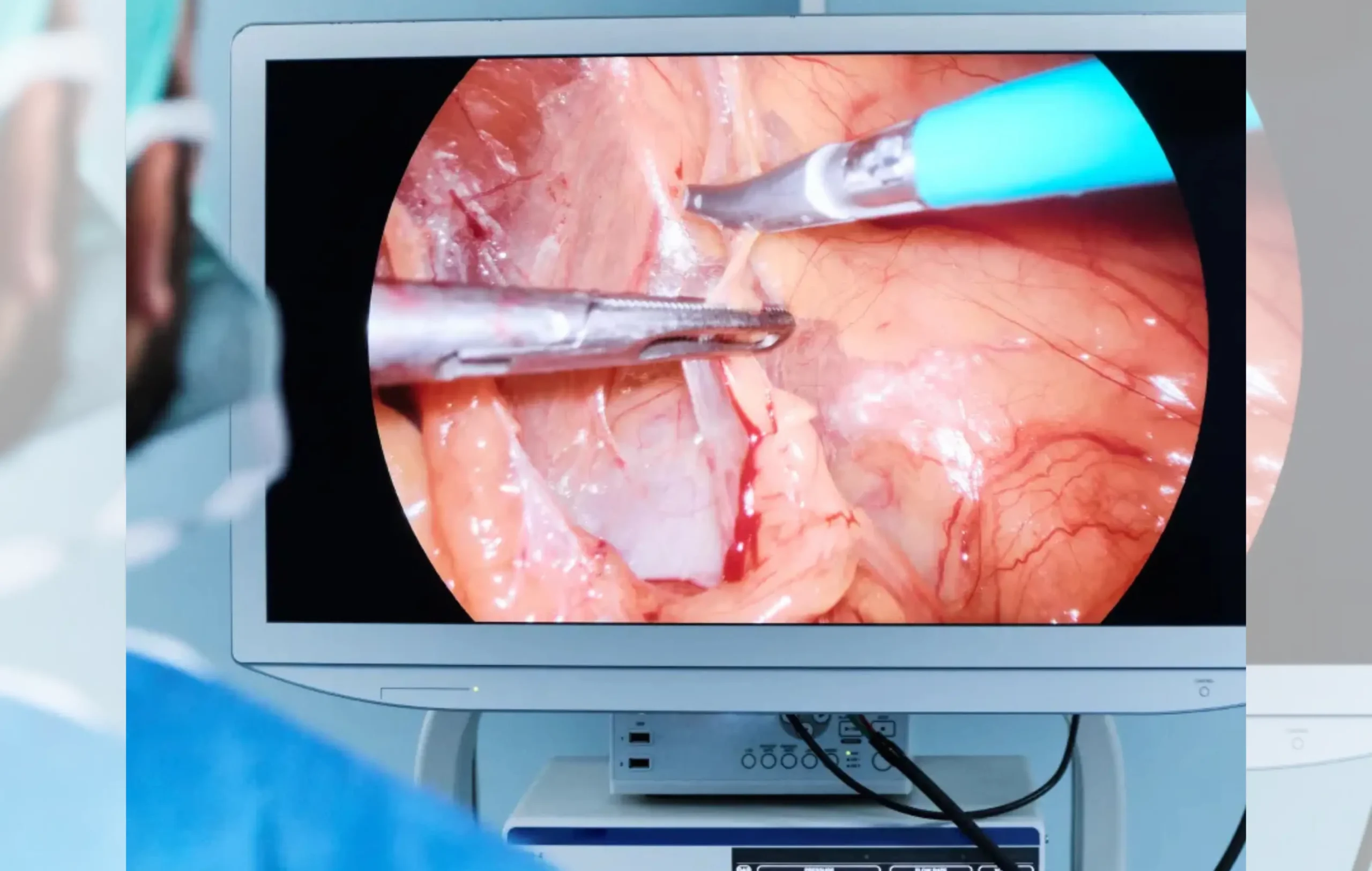
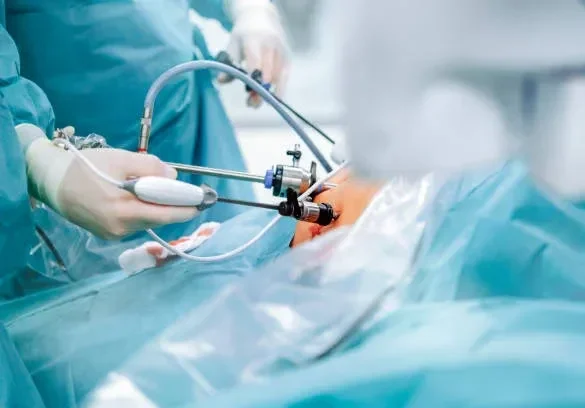
Laparoscopic surgery is performed using small incisions. A thin camera, called a laparoscope, is inserted to guide the surgeon along with fine surgical instruments. The procedure is viewed on a screen, allowing precise movement without large cuts.
Doctors in Pakistan commonly use laparoscopic surgery for:
Compared to open surgery, laparoscopic surgery usually offers:
Many patients prefer laparoscopic surgery because it often allows a shorter hospital stay, easier post operative care at home, and a quicker return to office or routine work. This makes it a practical option for working individuals in Lahore.
The cost of laparoscopic surgery in Lahore can vary depending on the type of surgery, hospital or clinic facilities, the surgeon’s experience, and the length of hospital stay. Because each case is different, doctors usually recommend a consultation for an accurate estimate.
Two patients undergoing the same procedure may still have different costs. Medical history, test requirements, and recovery needs all play a role. It’s best to discuss this directly with a healthcare provider before making decisions.
Recovery time depends on the procedure, but many patients start walking within a day, resume light activities within a few days, and return to normal routines within one to two weeks. Your surgeon will guide you based on your specific condition.
Some patients experience mild effects such as temporary abdominal discomfort, shoulder pain from surgical gas, or mild nausea after surgery. These usually improve with rest and basic care.
Doctors often suggest laparoscopic surgery when the condition can be treated safely with minimal access, faster recovery is a priority, and the patient has no major medical contraindications.
Laparoscopic surgery may not be advised for everyone. Certain medical conditions or previous surgeries can affect suitability. A proper medical evaluation is essential before proceeding.
When selecting a surgeon, consider relevant training and experience, hospital or clinic standards, clear communication, and a willingness to discuss risks and alternatives.
A face-to-face consultation helps you understand whether laparoscopic surgery is right for you, the expected recovery process, and post-surgery care requirements. This step is critical before making any treatment decision.
Laparoscopic surgery is a minimally invasive procedure used to diagnose and treat problems in the abdomen and pelvic area. A small camera is inserted through tiny incisions to examine organs like the stomach, liver, gallbladder, intestines, uterus, and ovaries.
Laparoscopy scars usually begin healing within a few weeks after surgery. The incisions may look red at first, but they gradually fade over time. In most cases, the scars become light and less noticeable within several months, with full healing taking up to a year.
Yes, light walking is generally recommended after laparoscopic surgery. Most patients can start moving around the same day or after returning home. Gentle activity helps improve blood circulation and supports faster recovery, but heavy lifting and strenuous exercise should be avoided.
Before laparoscopic surgery, you should not eat or drink after midnight on the day before your procedure. Your doctor may also advise you to stop taking certain medications, such as blood thinners or anti-inflammatory drugs, to reduce the risk of complications during surgery.
During a diagnostic laparoscopy, doctors can closely examine organs inside the abdomen and pelvis. These include the stomach, liver, gallbladder, intestines, appendix, uterus, ovaries, and fallopian tubes to identify infections, cysts, or other medical conditions.
Laparoscopic surgery is a reliable and modern treatment option available in Lahore, Pakistan for many medical conditions. Its minimally invasive approach supports faster recovery and improved comfort for suitable patients.
If you are considering laparoscopic surgery, consult a qualified surgeon to discuss your condition, options, and expected outcomes. Book a professional consultation today to make an informed decision about your health.